
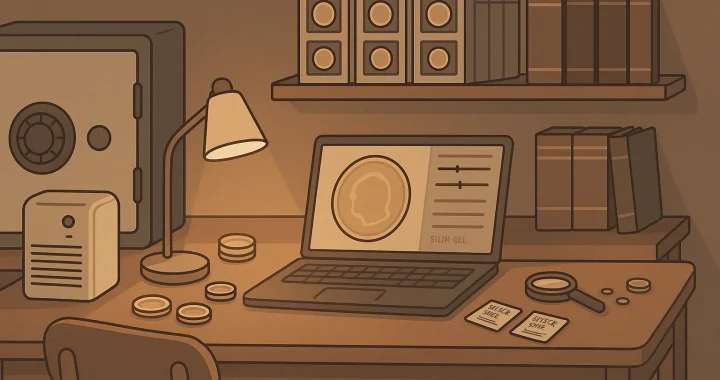
A coin collection needs more than shelves and boxes. Each piece carries value and history, so protection becomes part of the hobby. Good security reduces risks from theft, fire, and environmental damage. With the right physical setup and a digital coin scanner for reliability, collectors keep their coins safe and ready for future generations.
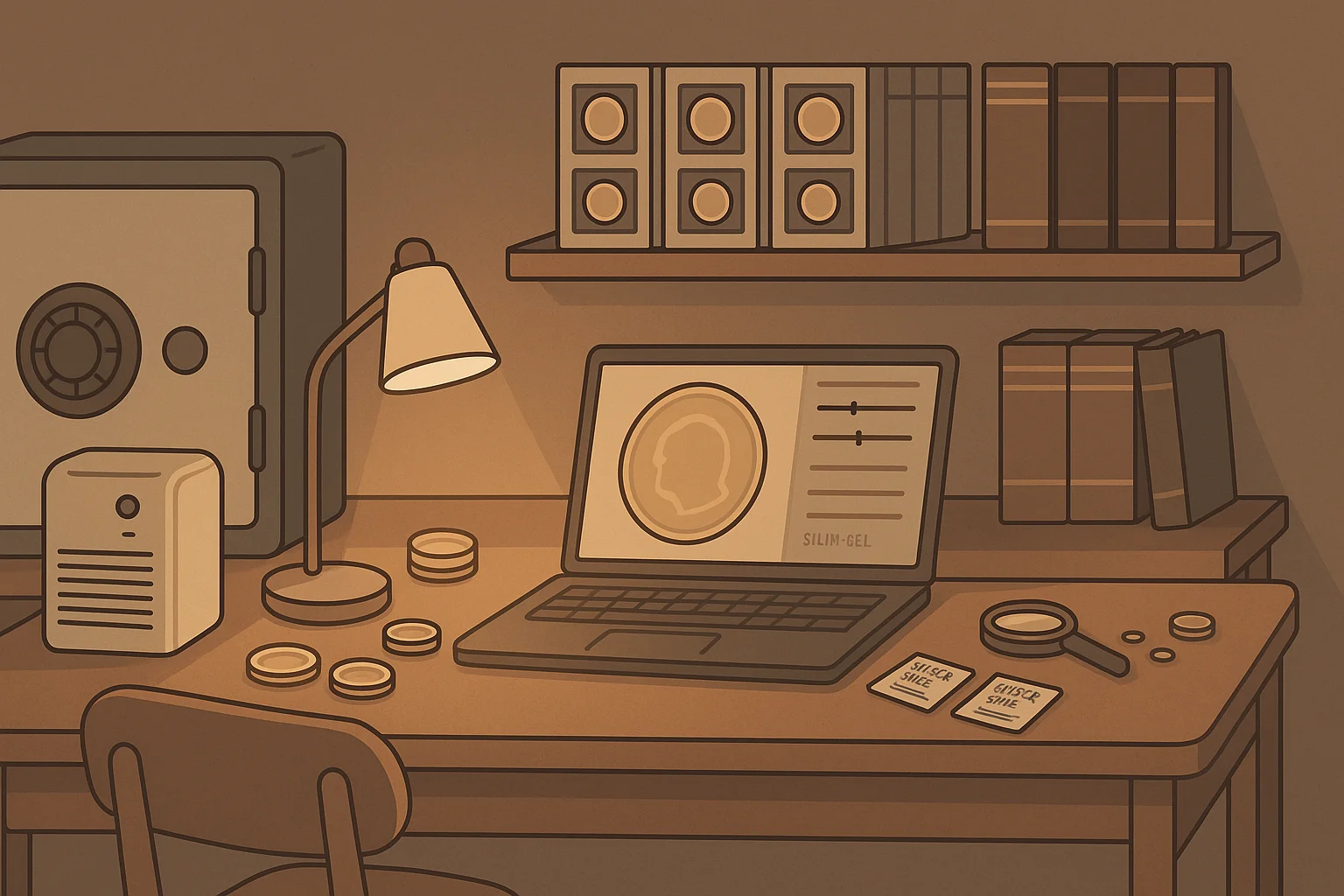
Understanding the Main Threats to a Collection
Security risks fall into several categories. The most obvious is theft, but a number of environmental problems inflict significant, long-term damage. High humidity leads to corrosion. Poor storage materials can chemically release elements that tarnish metal surfaces. Fire and water incidents can destroy irreplaceable coins in minutes. These risks are manageable when collectors use a layered protection strategy built around physical storage, environmental stability, documentation, and insurance.
Coins often seem resilient, but their surfaces are delicate. Copper rapidly changes color with fluctuations in humidity, silver rapidly tarnishes in polluted air, and ancient coins will deteriorate when stored in acidic materials. A safe environment maintains aesthetic and monetary value, and creates stability for future sales or inheritance planning.
Building the Foundation: Secure Physical Storage
Every strong security plan begins with physical containment. A home safe provides the first line of defense, so choosing the correct model matters. Safes with UL fire ratings of at least one to two hours, biometric or heavy-duty mechanical locks, and bolt-down anchors reduce vulnerability. Placement also influences safety. A safe should sit out of plain sight, away from windows, in a location not easily accessible during break-ins.
Collectors with high-value holdings benefit from diversifying storage. Bank safe deposit boxes offer strong off-site security, though they often lack comprehensive insurance coverage. Pairing them with personal insurance policies solves this gap. Meanwhile, everyday-use coins or reference sets can remain at home in the primary safe.
Protective Holders and Handling Materials
Coins should be stored in holders that prevent scratches, chemical reactions, and handling marks. Safe choices include:
- Inert flips made from Mylar
- Acrylic capsules
- Third-party grading slabs such as PCGS or NGC holders
PVC flips should be avoided because they release chlorides that create sticky green corrosion. Safe holders preserve surfaces and maintain grade stability that can be proven through a coin value app, which directly influences long-term value.
Environmental Protection and Digital Documentation
Physical security protects coins from theft, but environmental stability preserves them from gradual, irreversible damage. Poor storage conditions can alter metal surfaces, weaken structural integrity, or reduce eye appeal. Creating a controlled, stable environment is essential for long-term preservation, especially for copper, silver, and early alloyed issues.
Maintaining Proper Environmental Conditions
Temperature and humidity influence how metals react over time. Coins stored in uncontrolled basements, attics, or garages face the highest risk of toning, corrosion, and warping.
Ideal conditions include:
- Humidity between 30–50%
- Temperature between 60–70°F
- Consistent airflow with minimal fluctuations
Tools that help maintain these conditions:
- Silica gel packs to absorb moisture
- Dehumidifiers in larger rooms
- Climate-controlled storage cabinets
- Airtight containers with desiccants
Light exposure also plays a role. Strong UV light accelerates toning and surface breakdown, especially in silver and proof coins. Storage away from windows, combined with UV-blocking cases and sleeves, prevents unnecessary exposure. Albums and holders should always be acid-free to avoid chemical reactions that transfer to the coin’s surface.
Choosing Materials That Prevent Damage
Many collectors mistakenly rely on inexpensive holders without checking the materials inside them. PVC plastics, low-grade cardboard, and acidic papers release compounds that react with metal, leaving stains that are difficult or impossible to remove.
Safe storage options include:
- Acid-free albums and folders
- Mylar-based flips
- Non-PVC plastic capsules
- Archival-quality storage pages
These materials remain stable over time, reducing the risk of chemical damage.
Digital Inventory: A Critical Part of Modern Security
Relying solely on physical records leaves gaps in documentation. A digital inventory system and a coin identifier app with advanced features provide organization, proof of ownership, and easy access for insurance claims or recovery after a theft event. High-resolution photos, slab serial numbers, receipts, and appraisals should be stored in a secure cloud environment.
A strong inventory system follows the 3-2-1 rule:
- Three total copies of your data
- Stored across two types of media
- With at least one copy stored off-site
This protects records from hardware failure, accidental deletion, or home disasters.
Insurance, Risk Reduction, and Safe Transport Practices
Strong physical storage and digital records form the foundation of protection, yet complete security requires broader risk management. Theft, accidental loss, fire, and transport incidents remain real threats for collections of any size. A combination of insurance, surveillance, controlled access, and careful travel routines ensures stability and confidence no matter where the coins are stored or displayed.

Securing Insurance That Truly Covers Numismatic Assets
Standard homeowners’ policies offer limited protection for valuable collectibles, often capping payouts far below actual worth. Serious collectors rely on specialized numismatic insurance that covers:
- Theft and burglary
- Accidental damage
- Loss during travel or show attendance
- Fire and water incidents
Annual appraisals keep policy values aligned with current market prices. Updated records—photos, grading certificates, inventories—strengthen claims and ensure smooth processing. Proper insurance transforms a collection from vulnerable property into a protected long-term asset.
Home Security Measures That Reduce Risk
Physical storage does most of the heavy lifting, but additional layers make a noticeable difference. Installing motion sensors, surveillance cameras, and reinforced entry points discourages opportunistic theft and alerts owners to suspicious activity.
Practical home security enhancements include:
- Smart locks with activity logs
- Discreet camera placement around safe areas
- Limited access for guests or service workers
- Regular audits of stored items
A predictable routine and clear access rules help prevent internal risks, one of the more overlooked vulnerabilities in private collections.
Safe Transport and Display Protocols
Many collectors travel with coins for shows, trading, valuation, or educational events. Transportation introduces its own set of risks that require careful planning.
Strong safety practices for travel include:
- Using insured shipping services with tracking, signature confirmation, and discreet packaging
- Double-boxing rare coins to reduce shock during transit
- Keeping coins in secure carry cases rather than visible bags
- Avoiding public conversations about collection details
- Displaying coins only in locked, UV-protected cases during shows
When displaying coins at events, lighting should be controlled to avoid heat buildup or prolonged UV exposure. Security personnel and locked cases reduce the risk of unnoticed removal or tampering.
Routine Risk Assessment and Long-Term Habits
Security is not a single task—it is a repeatable process. A yearly review lowers long-term risks and keeps the system aligned with collection growth.
A practical annual checklist:
- Update insurance and appraisals
- Refresh cloud backups and verify inventory records
- Inspect safes, locks, and environmental controls
- Replace expired silica gel and test dehumidifiers
- Review camera logs and security system performance
With time, these routines become part of responsible collecting.
Security as a Long-Term Investment
Strong protection comes from simple habits used consistently. Secure storage, stable conditions, clear records, and proper insurance work together. With these steps in place, a collection stays safe, organized, and preserved for years to come.